

A complete guide to living in Paraguay: where to settle, how to budget, what to understand about taxes, and how to build a comfortable everyday life.
Explore this guide
- Living in Paraguay: what daily life actually involves
- The advantages and trade-offs of moving to Paraguay
- Where to live in Paraguay
- Cost of living in Paraguay: build a budget you can actually use
- Taxes in Paraguay: understand the income before quoting a rate
- Finding a home: renting, inspecting and settling in
- Healthcare, insurance and everyday wellbeing
- Safety: choose routines that fit the place
- Moving to Paraguay with children
- Retirement and later-life relocation
- Working in Paraguay: remote work, employment and business
- Banking, payments and international transfers
- Getting around: walking, buses, taxis and driving
- Language, food, friendships and the rhythm of everyday life
- Residency and documents: connect the steps without confusing them
- Moving with pets and personal belongings
- Your first 90 days in Paraguay
- Frequently asked questions about living in Paraguay
- Make the move around a life you have tested
Living in Paraguay: what daily life actually involves
Living in Paraguay can mean a morning walk beside the river, a working day in an air-conditioned apartment in Asunción, lunch at a neighbourhood restaurant and an evening sharing tereré with friends. It can also mean traffic, a document that needs another certified copy, a summer electricity bill higher than expected and a bank asking where an international transfer came from. A successful move makes room for both sides of that picture.
Paraguay attracts people looking for a different balance between income, living costs, space and personal freedom. Some arrive with a remote job. Others want to retire, build a local business, join family or spend more of the year in South America. The country does not offer the same experience to all of them. Your source of income, Spanish, health needs, household size and preferred neighbourhood will shape everyday life much more than a national average ever could.
This guide is designed to help you make those choices before committing to a lease or an expensive relocation. It covers places to live, practical budgets, taxes, residency, housing, banking, healthcare, schools, transport, work and social life. It also explains how to test Paraguay during an exploratory stay and how to organise the first three months after arrival.
Research date: 2 October 2026. Quoted commercial prices are examples visible when researched, not guaranteed offers. Budget tables are planning scenarios with explicit assumptions, not an official cost-of-living survey. Photographs show real Paraguayan locations; their dates and surroundings may differ from what you find when you arrive.
Who is Paraguay likely to suit?
Paraguay is worth investigating if you have an income that can support your chosen lifestyle, enjoy a warm climate and can accept that some services require personal follow-up. Being willing to learn Spanish makes a substantial difference. So does having a financial buffer that lets you choose housing carefully rather than taking the first available apartment under pressure.
A remote professional with dependable clients may have more flexibility than someone arriving without a job. Couples who enjoy cooking at home and exploring locally have a different budget from a family requiring international schooling, a large house and several trips abroad each year. A retiree with complex healthcare needs should begin with hospitals and insurance, while a parent should begin with schools and the daily commute.
The strongest relocation plans start with ordinary questions. Can you receive your income reliably? Does the apartment within your budget let you sleep comfortably? Can you access the healthcare you need? Will your children have access to a suitable language and curriculum? Can you handle the routine when the initial excitement has passed? Attractive tax rates cannot answer those questions for you.
Who should investigate more carefully?
If your move depends on finding a well-paid local job immediately, obtain a realistic employment plan before travelling. For frequent specialist treatment, verify the provider and treatment pathway first. If you dislike driving but want a detached house far outside the city, test that combination in practice. Expect an adjustment when you need every administrative process to be completed online in English.
These are compatibility questions, not reasons to dismiss the country. You may solve them through a different neighbourhood, an employer arrangement, a more suitable insurance policy or a longer preparation period. The important point is to solve them while you still have options. Moving first and hoping each issue will resolve itself is usually more expensive and more stressful.
Separate the decision to live here from the decision to obtain documents
A residence card establishes an immigration status. Your cédula is an identity document. A RUC is a tax registration. The tax-residency certificate serves a separate evidential purpose. None of these automatically creates a comfortable everyday life, opens every bank account or settles your obligations in another country.
Think of relocation as two projects running together. One concerns legal and administrative status. The other concerns your home, work, health, family and community. You need progress on both. Someone can have every document and still dislike their daily routine; someone can enjoy a holiday and still be unprepared for the administrative responsibilities of living abroad.
Our detailed guides explain the paperwork separately: temporary residency, the Paraguayan cédula, permanent residency and tax-residency requirements. Use this article to connect those procedures to the life you actually want to build.
Living in Paraguay: The advantages and trade-offs of moving to Paraguay
Your money can go further, depending on what you buy
The financial attraction is strongest when your spending matches the local economy: a sensibly priced home, ordinary groceries, local services and a manageable transport routine. It becomes weaker when most of your expenses are imported or priced for an international market. Premium apartments, international school fees, frequent flights, imported electronics and specialist insurance can absorb a substantial income.
Compare complete households rather than isolated purchases. An inexpensive lunch does not compensate for a school budget you cannot sustain. An attractive rent outside the city may be offset by a second car. A cheap apartment without effective cooling can undermine sleep and work. The useful question is how much your entire month costs when you live in the way you need to live.
There is room for a more personal routine
For some newcomers, the appeal is the opportunity to organise life differently: a shorter distance between home and work, more evenings outdoors, a larger living space or closer relationships with local service providers. These benefits depend heavily on location and habits. They are possible outcomes of a well-chosen move, rather than automatic features attached to every address.
Personal contact can make daily life easier. Knowing the building manager, the pharmacist, the person who repairs your air conditioner and a reliable driver reduces friction. Those relationships take time. Approach them with clear communication, fair payment and realistic expectations. Treating every interaction as a transaction to be made as cheaply as possible usually works against the community you are trying to create.
Administrative accessibility does not mean administrative simplicity
Paraguay has established residence procedures for foreign nationals, but an accessible route still involves documents, validity dates, translations, certified copies and official decisions. Different authorities may require different supporting records. The process becomes easier when you understand what each institution is doing and keep your file organised.
People often underestimate the time spent coordinating tasks around work and family responsibilities. An appointment may require travel across the city. A foreign certificate may need replacement. A bank may request an additional explanation. Build flexibility into your calendar rather than assuming every stage can be fitted into a single short visit.
Lower headline taxes are only one part of the calculation
Paraguay’s tax structure attracts attention, especially its source-based approach to income. However, your actual position depends on the type of income, where activities occur, the entity receiving the income and your connections with other jurisdictions. The address of a customer or the currency of a payment does not settle that analysis.
A useful comparison includes tax, accounting, insurance, travel, currency conversion and any costs that remain in your previous country. It also includes what happens if income falls. A relocation that appears attractive only under the most optimistic assumptions is fragile. A move that still works with a weaker exchange rate, higher rent and fewer clients is much more robust.
Infrastructure varies at the level of individual streets and buildings
Two apartments in the same neighbourhood can provide very different experiences. One may have reliable water pressure, good insulation, a well-maintained lift and strong internet. Another may have noise, drainage problems and weak mobile reception. A neighbourhood name is a starting point for investigation, not a quality certificate.
This is why an exploratory stay matters. You can test the building at different times, inspect the route after rain and ask residents what happens during a power cut. These observations are more useful than a promotional description. A practical inspection can save months of irritation after signing a lease.
| Potential advantage | What to check before relying on it |
|---|---|
| Lower everyday spending | Your actual rent, groceries, transport, healthcare and school requirements. |
| More living space | Cooling costs, maintenance, security and the commute. |
| Established residency routes | Your nationality, category, documents and realistic processing schedule. |
| Attractive tax structure | Income classification and obligations in every relevant country. |
| Relaxed leisure time | Whether your work hours, transport and family routine allow you to enjoy it. |
| Growing international community | Opportunities to build local relationships beyond relocation groups. |
Decide what you are willing to adapt
Every international move involves adaptation, but not every compromise is sensible. You might accept a smaller supermarket selection while refusing an unreliable work connection. You might accept occasional administrative delays while requiring a hospital within a practical distance. Write down your essential requirements and your flexible preferences separately.
Discuss this distinction with everyone moving with you. One partner may focus on the budget while the other worries about isolation. A teenager may care more about friendships and school continuity than the size of the house. A good relocation decision gives these concerns a place in the plan rather than treating them as obstacles to enthusiasm.
Living in Paraguay: Where to live in Paraguay
Choose a city according to the things you do repeatedly. A beautiful weekend destination may be inconvenient for school, specialist appointments or meetings. A lively business district may suit a remote professional but feel crowded to someone seeking a garden and quiet evenings. Start by mapping your weekly activities, then compare locations against that map.
For an initial stay, Asunción offers a practical base for exploring services and handling many administrative matters. It is not the only possible long-term choice. Encarnación, Ciudad del Este, towns around Lake Ypacaraí and smaller communities all deserve consideration when they match your work and family needs. The right answer is often discovered through a trial stay in more than one place.
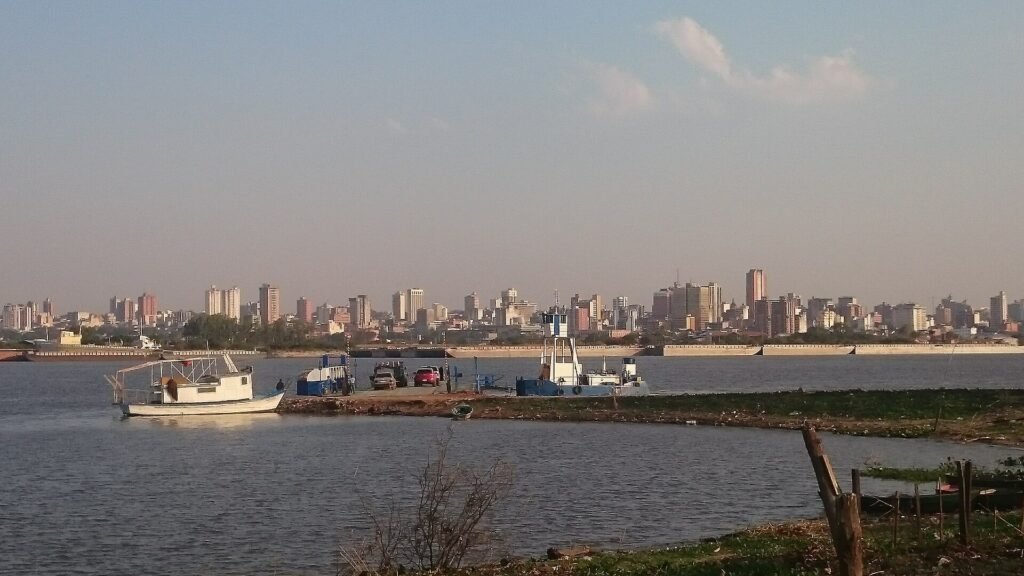
Asunción: the broadest starting point
Asunción combines government offices, business districts, shopping centres, restaurants, schools and medical providers within the capital and its surrounding urban area. For a newcomer, this concentration can make it easier to compare options. You can meet an accountant, inspect apartments and visit schools without planning a separate intercity trip for each task.
The city is not experienced as one uniform centre. The historic downtown, riverfront, residential streets and eastern commercial districts have different rhythms. A hotel near the waterfront will not tell you everything about life near Shopping del Sol or in a residential area further south. Explore the places that fit your routine, not only the landmarks you recognise from photographs.
Traffic deserves attention before signing a lease. Measure travel time at the hour you will actually leave home. A journey that looks short on a map may be slow during school or office peaks. Test the return journey too. If both adults need the same car at overlapping times, a location that appears affordable may create daily logistical problems.
Villa Morra and Recoleta
Villa Morra and nearby Recoleta are frequent starting points for apartment searches because of their residential buildings, shops and restaurants. They may suit someone who wants access to services without maintaining a large house. However, the exact street and building matter more than the label used in an advertisement, which may describe a broader marketing area rather than a precise neighbourhood boundary.
Inspect pedestrian access as carefully as the apartment. Walk to the supermarket, pharmacy and any place you expect to visit several times a week. Check crossings, pavement condition, shade and lighting. Being five minutes away by car does not necessarily mean being comfortably five minutes away on foot.
Ask about building charges, parking, guest access, noise rules and construction nearby. A balcony facing a busy road may be less useful than a smaller balcony on a quieter side. A gym shown in photographs may have limited equipment or restricted hours. Pay for amenities you will use, and verify that the services included in the rent are actually included in the contract.
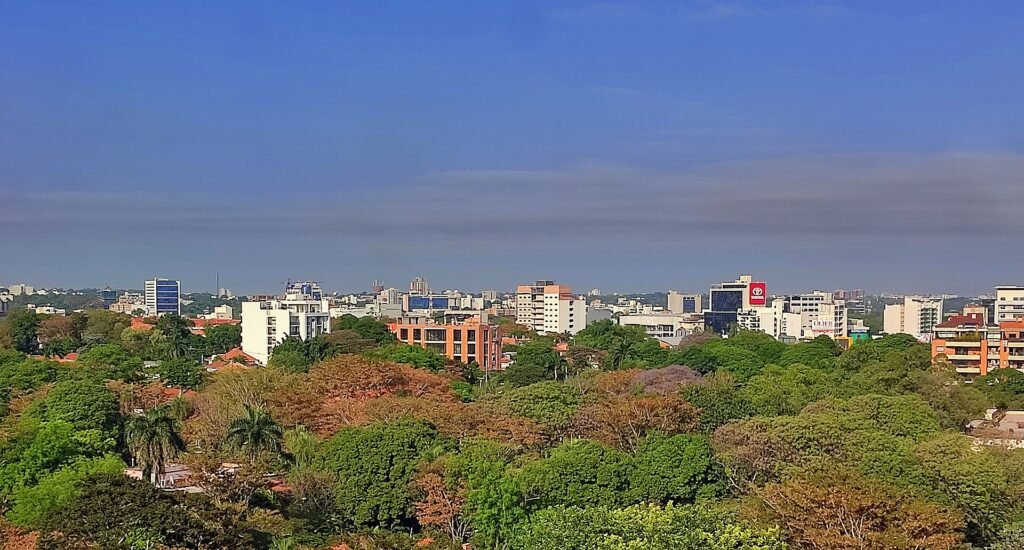
Las Lomas, Ycuá Satí and the corporate corridor
The area around major shopping centres and the Aviadores del Chaco corridor can appeal to people who want modern apartments, offices and restaurants close together. It is a useful area to investigate for a professional routine involving meetings or coworking. It can also carry a premium, particularly for furnished units in newer buildings.
A modern tower should still be inspected like any other property. Test the internet inside the unit, ask about lift maintenance, inspect water pressure and understand the backup-power arrangement. A generator that powers common areas does not necessarily power your air conditioner or apartment sockets. Ask which circuits remain live and what residents experienced during recent outages.
Do not assume that a view will remain unobstructed. Empty sites nearby may eventually be developed. If quiet work is essential, ask about construction permissions and neighbouring projects, while accepting that no landlord can guarantee permanent silence. A flexible first lease can be more valuable than a small discount on a long commitment.
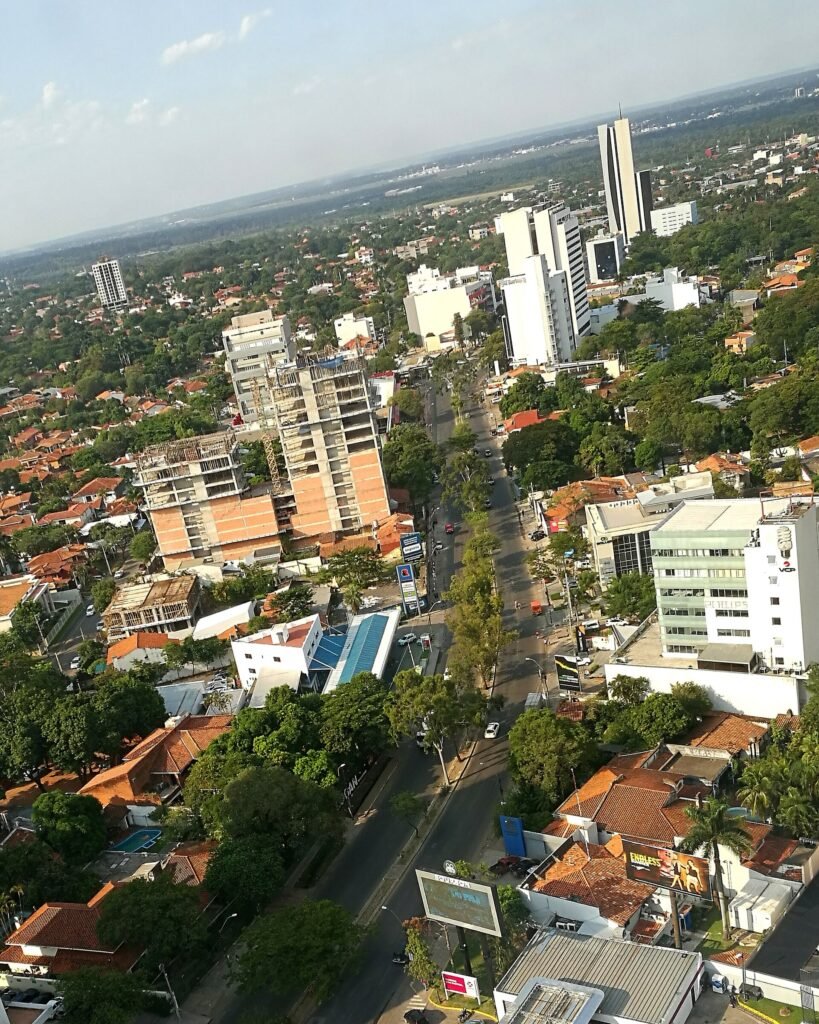
Other residential areas of Asunción
Neighbourhoods outside the best-known expatriate search areas may offer a different balance of space, rent and local atmosphere. Rather than ranking whole districts as good or bad, compare actual homes against your requirements. Access to a school, relatives or a workplace may be more important than proximity to a fashionable shopping centre.
Visit with someone who understands the area, but also make your own observations. Listen for traffic and music, check drainage, inspect access to the building and ask how deliveries work. A daytime viewing gives only part of the picture. Where practical, return in the evening and after rain before making a decision.
Greater Asunción: Luque, Fernando de la Mora, Lambaré and beyond
The metropolitan area extends beyond the municipality of Asunción. A home in Luque, Fernando de la Mora, Lambaré, San Lorenzo or another surrounding city may fit a household better than a central apartment. You may find more space or a location closer to a particular school, workplace or family network.
The trade-off is usually specific rather than universal. Some addresses have convenient routes to your destinations; others require difficult cross-city travel. Check the responsible municipality for local procedures and the exact address recognised by delivery services. Ask which internet provider serves the building, rather than assuming coverage across the whole city guarantees a connection at your door.
If you are considering a house, include gardening, pest control, security, water storage and repairs in the comparison. A lower base rent can still produce a higher total cost than an apartment. Conversely, a well-chosen house may provide outdoor space and flexibility that your family values enough to justify those expenses.
Encarnación: a different urban rhythm
Encarnación, in the south of Paraguay beside the Paraná River, is often considered by people drawn to the waterfront and a smaller-city routine. Playa San José and the Costanera form an important part of its public landscape. It is worth exploring if riverside leisure and a different pace appeal to you.
Test it as a resident rather than only as a visitor. Spend working days there, look at supermarkets and residential streets, and identify the medical services relevant to your household. If you expect frequent appointments or business in Asunción, include those trips in both your budget and calendar. A lifestyle benefit can be weakened by repeated travel you did not anticipate.
Proximity to Argentina adds opportunities for regional travel, but crossing a border is not the same as moving between neighbourhoods. Entry rules, queues, exchange rates, customs and vehicle documentation still apply. Build your routine around services you can use locally rather than assuming every need will be solved across the bridge.

Ciudad del Este and the eastern region
Ciudad del Este has a strong commercial identity and a location connected to the border region with Brazil and Argentina. It may be relevant for people whose business, family or professional activities are based in the east. The commercial centre and quieter residential areas should be evaluated separately.
A move for business needs more than a general impression of busy shops. Investigate the legal structure of the activity, suppliers, invoicing, customs obligations and the practical movement of goods. Personal shopping arrangements are not a substitute for a compliant import or trading business. Use qualified local advice before committing capital.
For everyday life, compare healthcare, schooling, road access and housing in the exact area you are considering. If you speak Portuguese, that may help in some interactions, but it does not remove the value of Spanish. As elsewhere, community contacts are useful when their advice is specific and you can verify the underlying facts.

San Bernardino and the Lake Ypacaraí area
San Bernardino appeals to many visitors because of its lakeside setting and leisure atmosphere. Areguá offers another perspective around the lake, with crafts, cultural activity and a different townscape. These places can be attractive for people seeking more outdoor space while remaining within the wider orbit of the capital.
Before choosing a permanent home, compare a quiet weekday with a busy weekend or holiday period. Seasonal activity can change traffic, noise and the availability of services. A house selected during a calm visit may feel very different when nearby properties host gatherings or short-term guests.
The presence of a lake should not be interpreted as a standing guarantee of safe swimming. Check current official water-quality advice before entering the water. Evaluate the lifestyle around the lake separately from assumptions about bathing, boating or water sports. For a household with children, this distinction belongs in the decision from the start.

Smaller towns, the countryside and the Chaco
A quieter setting can offer space and a closer connection with local life, but it also changes the practical requirements of relocation. You may need a vehicle more often, travel further for specialist care and depend on fewer service providers. Assess road access in wet weather, internet reliability and the availability of repair services before judging a property by its landscape.
Rural property deserves particularly careful legal and technical investigation. Confirm ownership, boundaries, access rights, water arrangements and permitted uses through independent professionals. A friendly introduction or an attractive price does not establish a clear title. If agriculture, livestock or a commercial activity is part of your plan, investigate its specific regulations rather than treating it as an extension of ordinary residential life.
The Chaco is not interchangeable with eastern Paraguay. Distances, climate, communities and infrastructure call for their own research. If you are interested in a particular town or community, visit it with a clear purpose and speak to residents whose lives resemble the one you intend to build. A general relocation article cannot replace that local investigation.
A simple way to compare locations
Give each candidate location a score for five essentials: housing, income access, healthcare, transport and social fit. Add schools if you have children. Use evidence from visits and actual quotations, not the enthusiasm of an online group. A place that scores well overall but fails on an essential need should not win simply because the rent is attractive.
Then test your two strongest candidates. Spend enough time in each to cook, shop, work, commute and have an ordinary weekend. Keep notes on what felt easy and what required effort. You are looking for the place where your normal life functions well, not the place that produces the best holiday photographs.
Cost of living in Paraguay: build a budget you can actually use
There is no single useful answer to the question “How much does it cost to live in Paraguay?” A person sharing a modest apartment, a couple renting a furnished unit in a popular district and a family paying international school fees are buying different lives. A responsible budget makes those differences visible instead of compressing them into one attractive monthly number.
Start with guaraníes, shown as PYG or ₲, because many everyday expenses are paid in the local currency. Keep a separate column for costs quoted in dollars. For orientation, the Banco Central del Paraguay’s reference table for 1 October 2026 showed ₲5,850.69 per US dollar. That reference is not a retail exchange offer. Your bank, card or exchange provider may apply a different rate and fees.
Three illustrative monthly budgets
The following figures are editorial planning allowances. They are not measured national averages or a promise that these prices will be available. The housing assumptions must be tested against current listings, and healthcare must be replaced with a personal quotation. All three examples exclude income taxes, debt repayments, international flights, property purchases and major one-off relocation costs.
| Monthly item, PYG | Single adult, simple routine | Couple, comfortable apartment | Family of four, before school fees |
|---|---|---|---|
| Rent and building charges | 2,800,000 | 4,800,000 | 6,800,000 |
| Groceries and household basics | 1,300,000 | 2,200,000 | 3,300,000 |
| Electricity, water and cooking energy | 350,000 | 550,000 | 850,000 |
| Internet and mobile service | 200,000 | 300,000 | 400,000 |
| Local transport allowance | 450,000 | 900,000 | 1,500,000 |
| Healthcare and insurance placeholder | 400,000 | 800,000 | 1,500,000 |
| Meals out, leisure and personal spending | 700,000 | 1,200,000 | 1,800,000 |
| Monthly contingency | 600,000 | 900,000 | 1,400,000 |
| Total before exclusions | 6,800,000 | 11,650,000 | 17,550,000 |
At the reference exchange rate above, those totals are approximately US$1,162, US$1,991 and US$2,999. These conversions explain the arithmetic; they are not fixed dollar budgets. The first scenario assumes a modest home rather than a premium furnished apartment in Villa Morra. The family transport allowance is a running-cost placeholder and does not include buying a vehicle, loan payments or full depreciation. School fees must be added separately.
The value of these examples lies in their structure. Replace every allowance with your own estimate, then test the total against your reliable net income. If the healthcare quote is much higher because of age or medical history, use the quote. If you need an international school, add its complete annual cost divided by twelve. Do not force your circumstances into a sample budget simply because you prefer the resulting total.
What current rental advertisements can tell you
Rental listings provide useful anchors, but not a complete market survey. During research, a one-bedroom listing in Home Villa Morra displayed ₲4,700,000 per month. A separate furnished one-bedroom listing in Villa Morra displayed ₲5,650,000 and described building charges, Wi-Fi and television as included. Availability and terms require confirmation.
These are asking prices for particular properties, not evidence that every one-bedroom apartment costs the same. They illustrate why furnishing, included services and location matter. Compare equivalent units, ask for the full monthly amount and record what is excluded. Avoid comparing an unfurnished long-term lease with a serviced short-stay apartment as though they were identical products.
For larger homes, the range can be wider still. A RE/MAX listing for a furnished four-bedroom triplex showed US$1,600 per month. That is an example of a higher-specification family property, not a benchmark for the whole city. A garden, pool, multiple parking spaces and extensive furnishing change both rent and maintenance.
Groceries: price your own basket
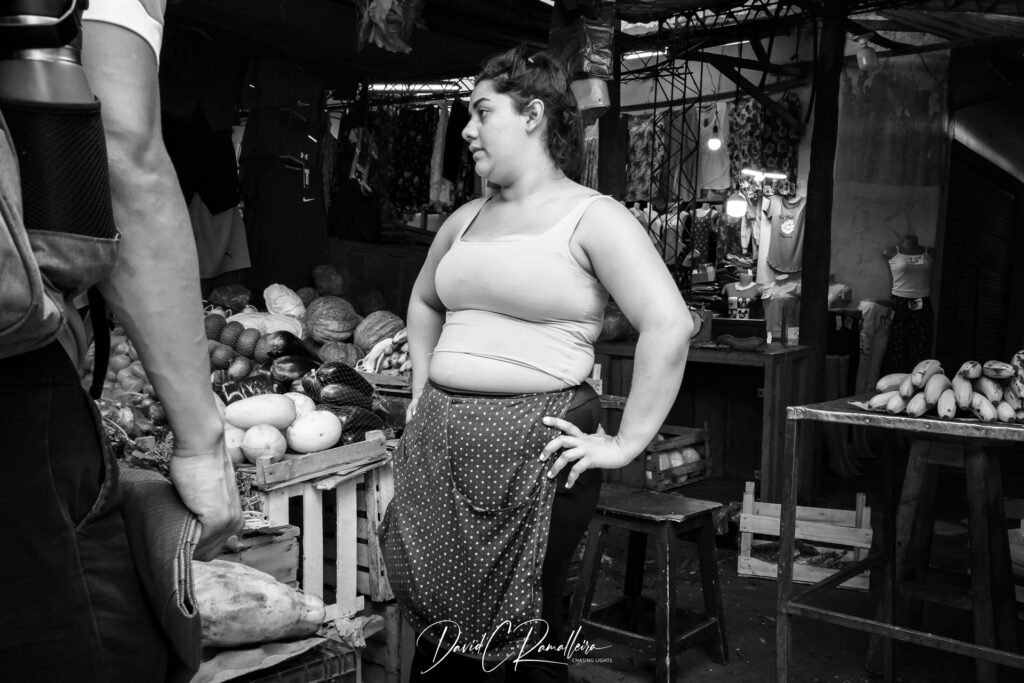
The most useful food budget begins with what your household actually eats. Write a seven-day menu, list the quantities required and compare the same basket across two supermarkets and a suitable local shop or market. Include cleaning products, toiletries, drinking water where used, pet food and baby supplies. These often disappear from optimistic grocery estimates.
Distinguish local staples from imported preferences. A household buying seasonal produce and cooking regularly will spend differently from one relying on imported brands, prepared meals and delivery. Neither choice is wrong, but the second should not be costed using the first household’s experience. Dietary requirements can also change both availability and price.
For a small real-world anchor, the Superseis online catalogue displayed a 500-gram packet of Primicia type 3 rice at ₲3,800 when researched. The retailer states that online prices apply to its online service. One product is not a food-price index; use the catalogue to construct your own dated shopping basket rather than extrapolating an entire month from a few cheap items.
Why official poverty thresholds are not expatriate budgets
The INE’s 2025 poverty release reported an urban basic-consumption threshold of ₲933,108 per person per month and an urban food threshold of ₲412,618. These are statistical measures used to identify poverty. They are not recommendations for a comfortable relocation budget and do not describe the housing, insurance or schooling choices of an international household.
Using a poverty threshold to advertise how cheaply a foreign resident can live would confuse two different questions. A relocation budget should reflect the services you require and the resilience you need when something goes wrong. It should also recognise that a price which feels inexpensive to a foreign-income household may represent a substantial expense for a local one.
Electricity and cooling
Air conditioning is an important budget variable. Apartment orientation, insulation, ceiling height, equipment efficiency and the temperature you choose all influence consumption. Ask for actual bills from the property across different seasons. A single mild-month bill is not a reliable forecast for a hot period with several units running.
Check the applicable category against ANDE’s current tariff documents. Do not assume every home is billed under the same arrangement. Ask whether the meter is individual, who holds the contract and whether outstanding balances exist. If utilities are included, understand any consumption cap and how excess use is charged.
A useful practical comparison is the total cost of cooling and comfort, not just rent. A slightly more expensive apartment with shade, good seals and efficient equipment may be cheaper to live in than a lower-rent unit exposed to afternoon sun. During a viewing, run the equipment and listen to its noise as well as feeling whether it cools.
Internet and mobile costs
As a provider example, Tigo’s public home-plan page displayed 200 Mbps at ₲120,000 per month and a 300 Mbps television bundle at ₲180,000 when researched. Verify address-level availability, technology, upload speed, contract terms and any promotion. The advertised download speed alone does not tell you how well video calls or large uploads will work.
Budget for a second connection if your income depends on being online. A mobile backup, suitable data allowance and power for the router can be more valuable than buying the highest advertised speed. Test your real work applications during the hours you use them, including calls to clients in other countries.
One-off relocation costs
Your first month is rarely a normal month. Flights, temporary accommodation, deposits, moving services, furniture, certified copies, translations and professional assistance can arrive together. A household moving with children or pets may face additional transport and document costs. Keep these expenses outside the recurring budget so you can see both clearly.
Ask for written quotations that identify what is included. A residency-service quote may exclude government charges or foreign documents. Renting may require an agent fee or a guarantee arrangement. A furnished apartment may still lack bedding, kitchen equipment or a desk. None of these should appear as a surprise after the money for the move has already been spent.
Build a reserve for the life you are choosing
A reserve should cover more than a delayed salary. Consider an urgent trip abroad, a medical deposit, replacing a laptop, moving out of an unsuitable apartment or waiting longer than expected for an account to be opened. Keep accessible funds in more than one payment channel so that a single blocked card does not interrupt the household.
Stress-test the budget by increasing rent and utilities, reducing income and applying a less favourable exchange rate. If a change of ten or fifteen percent makes the plan impossible, adjust the housing or delay the move until the reserve is stronger. This exercise is not a prediction; it shows whether the plan has room to absorb ordinary uncertainty.
Review actual spending after arrival
Track the first eight to twelve weeks, separating setup purchases from recurring expenses. Record cash withdrawals as transfers into your wallet, then record how the cash was spent; otherwise you may count the same expense twice. Note whether each price included tax, delivery or a service charge.
At the end of the trial period, replace estimates with evidence. Perhaps groceries are lower than expected but transport is higher. Perhaps the apartment needs more cooling or you eat out more often because of work. A realistic budget should describe your behaviour, not the disciplined version of yourself imagined before departure.
Living in Paraguay: Taxes in Paraguay: understand the income before quoting a rate
Paraguay’s tax system is an important part of relocation planning, but it should be explained through the nature of your income rather than a slogan. A salary, professional fees, rent, dividends and proceeds from selling an asset are different categories. An individual and a company may face different rules even when the money ultimately supports the same household.
Begin with an income inventory. For every source, record who earns it, who pays it, what activity or asset produces it, where that activity takes place and which country currently taxes it. Add any company you own, property you rent out and investment account you hold. This gives an accountant something concrete to assess and prevents an attractive headline from being applied to the wrong situation.
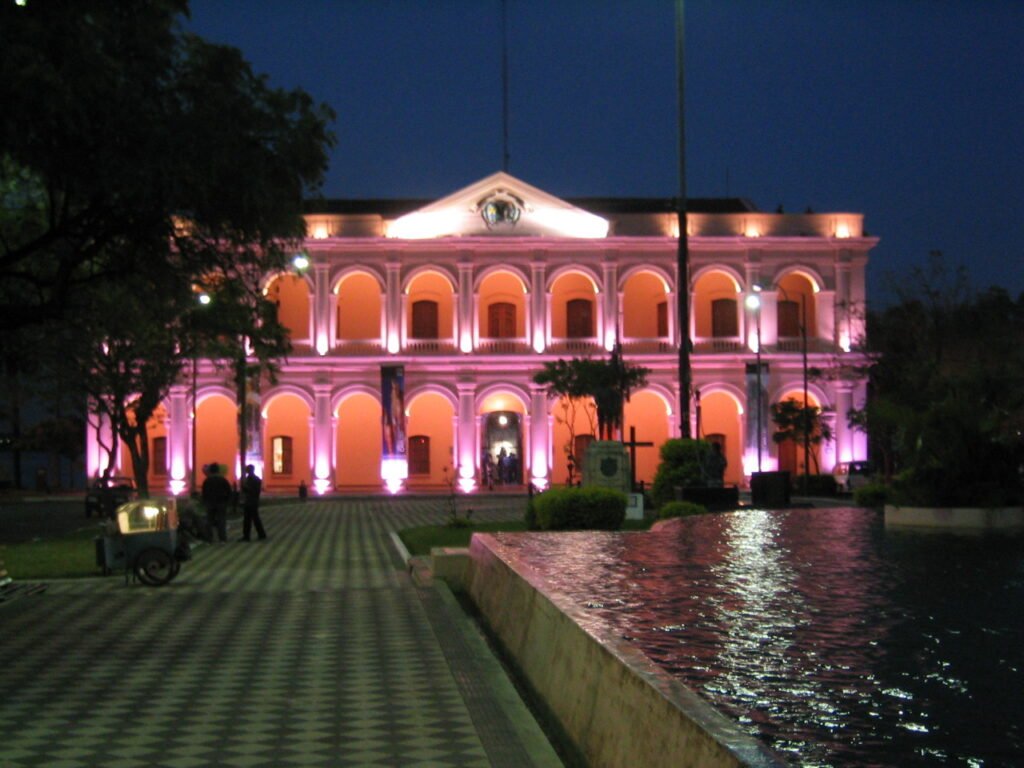
Territorial taxation is about source, not the location of your bank
The DNIT describes personal income tax, IRP, as applying to Paraguayan-source income. That does not mean every payment from abroad is outside Paraguayan taxation. The place where work is performed and the legal category of the income matter. Receiving dollars in a foreign account is a payment arrangement, not by itself a tax exemption.
For example, a consultant living in Asunción and performing services from an apartment should not classify the income as foreign-source solely because the customer is European. The analysis must consider the applicable source rules and any VAT obligations. Equally, an investment held abroad requires its own classification rather than being treated as though it were a local consulting service.
The broader framework is set out in Law 6380/2019. Its distinctions between income categories and territorial connections are the reason a personalised review is useful. Ask for a written explanation tied to your actual activities, not a verbal assurance that “foreign money is tax free.”
The main taxes a newcomer should recognise
| Tax | General headline | Why the detail matters |
|---|---|---|
| IRP: personal services | Progressive rates of 8%, 9% and 10%. | The taxable base, entry conditions and deductible expenses must be established. |
| IRP: capital income and gains | Headline rate of 8%. | Different transactions can have different ways of determining the taxable amount. |
| IRE: business income | General and SIMPLE regimes have a 10% rate. | Regime eligibility, accounting and distribution rules are separate questions. |
| IDU: dividends and profits | 8% for resident recipients and 15% for nonresident recipients in the general rule described by DNIT. | It is a distribution tax and should not be confused with the company’s own income tax. |
| IVA: value added tax | 10% general rate, with 5% for specified transactions. | The nature of the supply, exemptions and credit rules determine the result. |
Sources for these headline rates: DNIT IRP, DNIT IRE, DNIT IDU guidance and DNIT VAT questions. These percentages are a map of the system, not a calculation of your personal tax bill.
Personal services: distinguish turnover, expenses and taxable income
The DNIT’s official educational material identifies an annual personal-services income threshold of ₲80,000,000 for the relevant IRP entry rule. That number should not be confused with a universal tax-free allowance covering every type of income. Capital income and other obligations require separate analysis.
Keep three concepts apart: gross money received, expenses that genuinely qualify under the rules, and the resulting taxable base. A business expense is not deductible merely because you paid it from the same account used for work. A personal purchase does not become professional because an invoice exists. Your records must support the treatment your accountant applies.
For practical planning, ask the accountant to show a sample year using your expected revenue and actual expense categories. Then ask what changes when revenue rises, a client pays late or you spend part of the year working elsewhere. This produces a much more useful answer than applying ten percent to every bank deposit.
VAT is a separate calculation
VAT can be relevant even when an income-tax threshold has not been reached. DNIT’s FAQ identifies the general 10% rate and specified 5% categories, including residential letting and certain basic products. Do not assume that a transaction uses the reduced rate merely because it feels essential or because the customer lives abroad.
Ask whether your quoted professional fee includes VAT or whether VAT is added on top. This matters commercially: a contract for a fixed all-inclusive amount can leave you with less net revenue than expected. Also ask how valid input credits are documented and which purchases are outside the permitted credit rules.
A workable routine is to separate the amount reserved for taxes from money available for living expenses. Reconcile invoices with payments regularly, and ask how corrections, refunds and cancelled transactions should be recorded. A spreadsheet showing only the final balance in your bank account does not capture the information needed for accurate returns.
Companies: do not stop at the business tax rate
Opening a company can be useful for a real business, but the decision should reflect operations, liability, customers and administration. The IRE rate is only part of the picture. Accounting costs, payroll, municipal requirements, invoicing, banking and distributions to owners can all matter.
DNIT’s IDU guidance distinguishes resident and nonresident recipients of distributed profits. That is why “the company pays ten percent” is not necessarily a complete description of money reaching your personal account. Ask for a full diagram from customer payment to business expenses, business tax and eventual distribution, with each stage explained.
If you already own a company abroad, moving personally does not automatically move the company or erase its obligations. The place of management, local activity, employment arrangements and reporting responsibilities may require advice in both countries. Coordinate the advisers so that each understands the same facts rather than obtaining two answers based on different assumptions.
Rental property, investments and pensions
Do not place all non-salary income in one category. Rent from a property in Paraguay, rent from a property abroad, a foreign pension, bank interest, dividends and gains from selling an investment can raise different questions. The account receiving the money is only one piece of the evidence.
Before moving, collect the relevant contracts and annual statements. For property, identify ownership, location, rental expenses and any existing withholding. With pensions, distinguish the type of pension and the paying institution. For investments, retain acquisition records, statements and evidence of taxes already withheld. These details help an adviser avoid applying a generic answer to an exceptional case.
If you trade frequently or operate through a company, explain that activity honestly. A passive investment portfolio and an organised commercial activity may not be analysed in the same way. Cryptocurrency transactions also require records; the fact that an asset is digital does not remove the need to establish what happened and how it is treated.
Immigration residence and Tax Residency are different
Your Temporary Residency card is not a complete tax-residency analysis. Your cédula is not a substitute for a RUC. A RUC registration does not itself prove that another country must stop taxing you. A certificate issued for a particular purpose and period should be used within that scope.
For the document pathway and the distinction between taxpayer and other applicants, read our guide to obtaining a Paraguayan tax-residency certificate. For presence questions, use the separate minimum-days article. Neither should be reduced to a universal claim that the same number of days settles every person’s position everywhere.
Leaving your previous tax system
A move can create obligations in more than one jurisdiction during the same year. Your former country may consider your home, family, work, economic interests or other connections. Some countries also have special rules for particular citizens, assets or departures. Establish the applicable rules before assuming the date on a residence card is the date all previous obligations end.
Prepare a factual timeline: where you lived, where you worked, when a home was available, when family moved and how companies were managed. Keep travel records and supporting documents. Accurate records are more useful than trying to fit real life around a simplified online claim after the year has ended.
Ask advisers to identify required notifications, final returns, continuing filings and possible withholding changes. If a treaty is relevant, have the actual applicable treaty examined. Do not assume that all country pairs have the same agreement or that a certificate automatically overrides domestic rules.
Choosing and working with an accountant
Look for someone who can explain your situation clearly, identifies uncertainty and asks for documents before promising an outcome. Clarify the service scope: registration, monthly returns, annual returns, payroll, bookkeeping, electronic invoicing and responses to official requests are not necessarily all included in one fee.
Agree on a monthly document deadline and a method for sharing records. Keep copies of submitted returns and payment confirmations. Understand who monitors notices and who informs you when an obligation changes. Even when a professional prepares the work, you should know what is being filed in your name.
A useful first meeting ends with a list of obligations, a calendar, the records required and a written explanation of the treatment of each income source. If you leave with only a percentage and a promise, the analysis is probably not yet complete enough to guide a major move.
Living in Paraguay: Finding a home: renting, inspecting and settling in
Your home is the centre of the relocation, so it deserves more attention than a quick comparison of rent and floor area. It affects sleep, work, transport, security, cooling costs and social life. A good first home does not have to be the place where you spend the next decade. It needs to support the transition while you learn what matters to you locally.
Temporary accommodation can therefore be a useful investment rather than wasted money. It gives you time to inspect long-term options in person, understand neighbourhoods and avoid signing a lease based only on photographs. Choose an initial stay with a workable desk, reliable communication and practical transport, especially if you will be working while completing administrative tasks.
Furnished or unfurnished?
A furnished apartment simplifies arrival but requires a careful inventory. “Furnished” can describe anything from basic beds and appliances to a genuinely equipped household. Ask about kitchenware, bedding, washing facilities, a desk, curtains, air conditioners and storage. Obtain written confirmation of the items included and their condition.
Unfurnished accommodation may make sense for a longer stay, but compare the full setup cost. Furniture delivery, assembly, appliances, curtains and small household purchases can add up quickly. Also consider what you would do with those items if you changed neighbourhood or left the country. Buying everything immediately can make an otherwise flexible move difficult to reverse.
For a remote worker, the desk and chair deserve their own inspection. An attractive dining table is not always comfortable for a full working day. Check power outlets, glare, call privacy and the ability to keep work equipment away from heat or moisture. If two people work from home, test whether they can take simultaneous calls without disturbing each other.
Ask for the complete price
Request a written breakdown of rent, building charges, parking, utilities, internet and any recurring service. Clarify the payment currency, due date and exchange-rate mechanism if the contract uses dollars but payment occurs in guaraníes. A vague agreement about conversion can become a recurring source of disagreement.
Ask about the deposit, any agent fee, guarantee requirements, renewal terms and the procedure for leaving. Do not assume practices are identical across landlords. Understand which payments are refundable, what deductions may be made and how the final inspection is documented. Have a professional review important contractual terms if you are not comfortable reading them in Spanish.
If you negotiate, focus on the entire package. A slightly lower rent may be less valuable than including building charges or obtaining a practical break clause. A landlord may prefer a longer term, but you should only make that commitment if it matches your plans. Paying several months in advance requires extra care about authority, ownership and the written agreement.
A viewing checklist that goes beyond decoration
| Area | What to inspect |
|---|---|
| Cooling and ventilation | Run every air conditioner; check filters, noise, seals, shade and airflow. |
| Water | Test pressure and hot water; ask about tanks, pumps and interruptions. |
| Internet | Confirm the provider and unit-level installation; test upload, calls and mobile backup. |
| Electricity | Inspect visible sockets and the meter arrangement; ask what backup power covers. |
| Noise | Listen with windows open and closed; inspect traffic, neighbouring businesses and construction. |
| Moisture | Look inside cupboards and around windows; ask about roof leaks and previous flooding. |
| Access | Check entry controls, stairs, lifts, parking and delivery procedures. |
| Everyday routes | Walk to essential shops and test the commute at normal travel times. |
Photograph existing marks, damaged furniture and appliance defects with the landlord’s agreement, and include them in the handover record. Record meter readings at arrival. Keep the signed inventory and receipts together with the lease. These simple habits are useful when a repair question arises or when the deposit is settled later.
Apartment buildings: understand how they operate
Ask who manages the building and how maintenance requests are submitted. Establish the rules for pets, visitors, short-term guests, deliveries, moving furniture and use of common areas. A pool or rooftop may require reservations or have restrictions that affect your plans. These are practical details, not minor fine print.
Find out whether building charges are fixed or can vary with extraordinary works. Ask about planned repairs and the allocation of responsibility between owner and tenant. If a lift is unavailable, consider whether the stairs are manageable for your household. If you need step-free access, inspect the entire route from the street to the apartment rather than only the entrance lobby.
Talk to the manager about what happens outside normal office hours. Who responds to a water leak? What is the process if an access card stops working? Is there a reliable contact for urgent problems? Having those answers before an incident is much better than trying to find them during one.
Houses: more space, more responsibilities
A house can provide a garden, room for children and more privacy. It also creates maintenance tasks that a building may otherwise handle. Clarify responsibility for the roof, water pump, pool, trees, pest control, gates and air-conditioning servicing. Put the agreed responsibilities in writing rather than relying on an informal conversation.
Inspect drainage around the property and the route to the main road. Ask what happens during heavy rain and whether water has entered the house or garage. Check exterior lighting, secure storage and safe access for deliveries. A garden is an asset when you have the time and budget to maintain it; otherwise it can become another obligation competing with work.
If you have young children or pets, inspect gates, balconies, pools and exposed wiring before deciding. Consider whether a rented property can be adapted and who must approve the work. Do not assume an owner will agree to changes after you have moved in. Some homes are simply a better fit for your household than others.
Repairs and communication with the landlord
Report problems promptly with a clear description and photographs where helpful. State what is affected, when it started and whether the problem is urgent. Keep a written record of the report and the agreed response. Clear communication helps avoid later disagreement about whether a defect was pre-existing or caused by delayed reporting.
Agree on access for technicians and ask before commissioning substantial work at the owner’s expense. For electrical, gas or structural concerns, use appropriately qualified professionals. A quick improvised repair may create a larger problem. The aim is a dependable home, not merely the fastest possible response.
Buying property: a separate decision
Enjoying Paraguay does not mean you need to purchase property immediately. Renting first lets you learn the city, your preferred routine and the type of building you can manage. It also separates the emotional decision to move from the financial and legal decision to buy.
Before purchasing, use independent professionals to verify ownership, encumbrances, boundaries, permissions and the contractual structure. For a development, investigate the developer, construction progress, delivery terms, specifications and remedies for delay. A rendering is an illustration of an intended project, not evidence of the final building or a guaranteed delivery date.
If rental income is part of your plan, model vacancy, management, maintenance, taxes, furnishing replacement and resale costs. Gross rent divided by the purchase price is not the same as a net return. Compare the investment with alternatives and make sure you can hold the property through a period when income is lower than expected.
Our practical recommendation is to make the first housing choice reversible where possible. Learn the city through daily life, then commit more heavily once your preferences are based on experience. A measured first year can be more valuable than securing an apparently exceptional deal in your first week.
Healthcare, insurance and everyday wellbeing
Healthcare should be planned around your own needs, not a general claim that treatment is inexpensive. A healthy adult seeking occasional consultations has different requirements from someone managing a chronic condition, planning a pregnancy or moving with a child who needs specialist support. Start with the care pathway, then compare the cost.
Make a short medical inventory before moving: regular prescriptions, ongoing treatment, relevant medical history, necessary tests and the type of specialist you may need. Obtain copies of records and consider a concise Spanish translation of essential information. Keep documents accessible without relying on a single phone or cloud account.
Public services, social insurance and private care
Do not assume that obtaining residence automatically gives you the same coverage as an employed contributor to the social-insurance system. Establish which services you can access, on what terms and with which documents. If an employer offers coverage, request the details rather than treating the word “insurance” as a complete answer.
Private provision can be an important part of an international household’s plan. The FCDO’s Paraguay health guidance notes that suitable private facilities are concentrated in major cities, that immediate payment may be expected and that some medicines may be unavailable. This supports a practical approach: identify providers, clarify payment and maintain accessible funds before you need treatment.
Ask whether a proposed policy is comprehensive insurance, a prepaid provider plan or a more limited product. The distinction affects where you can receive care, which expenses are reimbursed and what happens outside the provider network. Read the contract or obtain a clear written explanation in a language you understand.
Questions to ask an insurer
Discuss pre-existing conditions openly. Ask about waiting periods, age restrictions, exclusions, annual limits, deductibles, co-payments and specialist referrals. Clarify whether diagnostics, prescribed medicines, dental treatment and mental-health services are included. A low premium may reflect a narrower service rather than a better deal.
For international coverage, verify the countries included and the rules for temporary visits to your previous home. Ask whether the policy covers evacuation, where evacuation can take you and who decides that it is medically necessary. Also establish how you obtain authorisation and what to do if an emergency occurs outside business hours.
Request a quotation based on the actual ages and medical circumstances of everyone moving. Generic online prices are poor substitutes for that quotation. Keep the policy number, assistance number and claims instructions available offline. Make sure another household member can find them if you are the person who needs help.
Choosing doctors and facilities
Before committing to a neighbourhood, identify a suitable clinic, emergency department and pharmacy. Check whether the relevant specialist is available regularly or only on particular days. Ask about language, appointments, payment methods and the procedure for sharing results with your existing doctor.
A recommendation from another resident is a starting point, not a complete assessment. Their needs may differ from yours. For ongoing treatment, arrange a preliminary consultation and discuss continuity of care before cancelling arrangements elsewhere. If a specific medicine or device is essential, confirm availability using its generic name and technical requirements.
For dental and elective procedures, compare the treatment plan, qualifications, aftercare and what happens if a complication arises. Travel and accommodation savings should not be the only criteria. A good arrangement includes follow-up that remains practical after the immediate appointment is over.
Heat, hydration and adapting your day
Hot weather affects work, sleep, exercise and transport. Plan outdoor activity for times you find comfortable, carry drinking water and build shaded or indoor breaks into long errands. Test how your home cools overnight, since poor sleep can make every other adjustment harder.
Keep children, older relatives and pets in mind when planning outings. A route that is easy on a mild morning may be unpleasant later in the day. If anyone has a condition or takes medication that affects heat tolerance, ask their clinician for personalised guidance before travel.
Evaluate drinking-water arrangements at the property rather than assuming every building has the same system. Ask about storage tanks and maintenance. If you use filtered or bottled water, include it in the household budget and establish a reliable supply. Your approach should reflect the actual property and current local guidance.
Mosquitoes and dengue prevention
The Ministry of Public Health’s dengue guidance emphasises removing standing water, covering stored water, cleaning gutters and using protective measures such as screens and repellent. Treat this as part of normal home maintenance. Balconies, plant trays and small containers can be relevant even in an apartment.
Inspect screens during a property viewing and ask who maintains shared spaces. A tidy interior does not address water accumulating on a roof or in a neglected common area. If symptoms develop, seek medical advice rather than relying on a relocation group for diagnosis or medication instructions. Follow current health-authority guidance for outbreaks and prevention.
Mental wellbeing and the adjustment period
Relocation can be exciting and tiring at the same time. You may miss familiar people, routines and the ease of handling small tasks in your own language. These feelings do not automatically mean the move was a mistake. They do mean that rest, social contact and support deserve a place in the plan.
Create ordinary anchors early: a regular walk, a place to exercise, a weekly class and scheduled calls with people you trust. Avoid spending every evening comparing your experience with idealised social-media accounts. If you need professional support, investigate available local or remote options and any relevant insurance coverage.
Couples can experience the move differently. One person may already have work and colleagues while the other is rebuilding an entire social life. Discuss that imbalance explicitly. Time and budget for language learning, independent activities and friendships can be just as important as the administrative checklist.
Safety: choose routines that fit the place
Safety is best considered through specific situations: travelling after dark, using a phone in a busy street, parking, withdrawing cash, driving in rain or leaving a home empty. Avoid treating the entire country as uniformly safe or unsafe. The area, time, activity and your behaviour all matter.
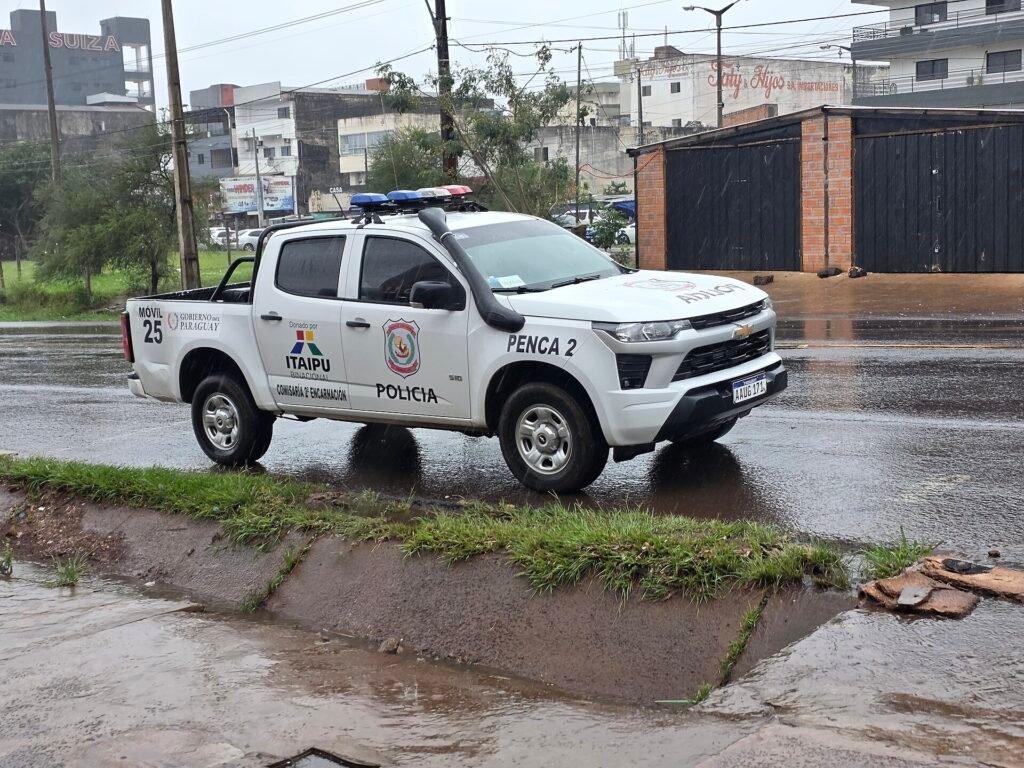
The FCDO’s safety guidance highlights theft, the possibility of violent robbery, risks in isolated areas after dark and road hazards. It also warns about flooding during heavy rain. Use current official advice for the regions you intend to visit, and combine it with recent, specific local information.
Build a practical home routine
Understand who can enter the building, how visitors are identified and how deliveries are handled. Keep keys and access codes controlled. If you employ a cleaner or other household service, agree on responsibilities and access arrangements clearly. Avoid sharing unnecessary details about travel dates, cash or valuable equipment.
Make secure copies of essential documents while keeping the originals protected. Know what to do if a phone or bank card is lost. Recovery email addresses, backup authentication methods and emergency contacts should not all depend on the same device. These precautions are useful wherever you live, but become especially important when replacing documents requires dealing with more than one country.
Move around with a plan
When visiting an unfamiliar area, decide how you will return before arriving. Check the pickup location, keep enough phone battery and avoid displaying large amounts of cash. If travelling with children, agree on a meeting point and ensure adults have each other’s contact details available.
For evening activities, consider transport from door to door rather than only the destination itself. A pleasant restaurant does not guarantee that every surrounding street is equally suitable for walking late at night. Ask staff or trusted local contacts about the immediate area when you are unsure.
Scams and rushed decisions
Be cautious when an opportunity depends on paying quickly before you can verify it. This applies to rentals, investments, document services and vehicles. Confirm identities, authority to act and written terms. Use independent verification for important transactions rather than relying solely on the person receiving the money.
A professional should be able to explain the process, provide a clear scope and distinguish what is guaranteed from what depends on an authority or third party. Promises of automatic bank approval, guaranteed tax outcomes or official documents without the required process deserve careful scrutiny. Keep your decisions tied to verifiable steps.
Moving to Paraguay with children
A family relocation works best when the school, home and daily transport are planned together. Choosing a house first and searching for a school afterwards can leave everyone with a difficult commute or an unsuitable educational compromise. Begin with the child’s needs, then build the location decision around a realistic shortlist.
Consider language, curriculum, age, previous schooling and the possibility of another international move later. A child staying for many years may have different priorities from one arriving for a short assignment. If important examinations are approaching, discuss the transfer directly with the receiving school before making commitments.
Local, bilingual and international education
Do not rely on a school label alone. Ask which languages are used for which subjects, how new students are supported and what qualifications the school prepares them for. A bilingual description does not necessarily mean equal teaching time in two languages or a fully transferable international curriculum.
The American School of Asunción publishes an admissions process involving pre-registration, eligibility and space availability. The Lycée Français International Marcel Pagnol describes its own staged admissions process and notes that entry at other levels depends on places. Contact the institution directly for the relevant year and child; neither residence nor willingness to pay guarantees a place.
Visit schools when possible. Ask to understand a normal day rather than only the facilities shown on a tour. Discuss class sizes, homework, language support, extracurricular activities, communication with parents and how concerns are handled. For additional learning needs, obtain a specific description of available support rather than a general assurance.
Calculate the full annual school cost
Request an itemised fee schedule. Include application or entry fees, recurring tuition, annual registration, materials, uniforms, meals, transport, activities, examinations and any capital contribution. Ask which amounts are refundable and how leaving partway through the year is handled.
Divide the annual total by twelve for household planning, even if payments are collected over fewer months. Keep a separate cash-flow calendar for the actual due dates. A family can afford an annual amount on paper yet struggle when several large fees are due at the same time as a rental deposit.
Compare currencies as well as amounts. If school fees are linked to dollars while part of your income is in another currency, the exchange-rate risk differs from a household whose income and fees match. Do not assume the cost will remain unchanged for every future year; ask how increases are communicated.
The school journey is part of quality of life
Test the route during school hours. Consider who will do the drop-off, what happens when that person is ill or travelling, and whether transport arrangements are available. Check child restraints and supervision rather than assuming every transport option meets your expectations.
A larger home further away may produce less family time than a smaller home close to school. Add extracurricular journeys, playdates and medical appointments to the calculation. The weekly pattern often matters more than the distance to the city centre.
Help children build familiarity
Give children age-appropriate information about the move and involve them in manageable decisions. Let them see photographs of the neighbourhood, learn useful words and choose some familiar objects to bring. Avoid presenting the move as either a perfect adventure or a test they must enjoy.
Maintain routines around meals, sleep and contact with important people. Find activities where children can meet the same peers repeatedly. Friendships usually grow through regular contact, not a single welcome event. Ask how the school supports newcomers and how parents can recognise an adjustment problem early.
For teenagers, discuss independence, transport, language and social life directly. Their concerns may be different from those of younger children. A good academic fit is essential, but so is having a realistic way to participate in life outside the classroom.
Childcare and household support
If you need childcare, define the role clearly: hours, responsibilities, language, transport, meals and emergency procedures. Check references and understand the applicable employment obligations. A domestic employment relationship should be documented properly rather than treated as an informal arrangement simply because it occurs inside a home.
Clarify who can collect children, what information may be shared and how urgent decisions are communicated. Keep contact details for parents, school and healthcare accessible. When language is a barrier, written instructions and a trial period can reveal misunderstandings before they affect the family’s routine.
Documents for the whole household
Each family member needs an individual administrative plan. Birth records, parental permissions, custody arrangements and school records may require preparation before departure. The residence process for minors has specific requirements; use the official Migraciones checklist and our detailed temporary-residence guide rather than copying an adult file.
Keep a shared calendar of passport validity, residence dates, school deadlines and planned trips. Where parents live in different countries or a child travels with one adult, obtain advice on the required permissions for the actual route. Do not assume that permission for one journey automatically covers every future trip.
Retirement and later-life relocation
Retiring in Paraguay can be attractive when it offers the daily life you want within a sustainable budget. The decision should begin with healthcare, housing accessibility, social connection and income reliability. A favourable tax discussion is useful only after those foundations are understood.
Choose a home with the next several years in mind. Stairs, uneven access, an unreliable lift or a long journey to appointments may be manageable today and difficult later. Inspect bathrooms, entrances, lighting and the route from parking to the home. Ask whether adaptations are permitted in a rental and whether they are practical in the building.
Check the pension and payment arrangements
Tell the pension provider about the intended move and ask about payment options, required proofs and any continuing reporting. Establish whether the pension can be paid to the account you intend to use and what fees or currency conversion apply. Keep a backup arrangement while the new system is tested.
Have the tax treatment reviewed for the specific pension type and countries involved. Public-service, private occupational and other retirement payments may not be interchangeable. A generic statement about foreign income should not replace that analysis. Retain annual statements and records of any withholding.
Plan support before it becomes urgent
Identify people who could help with an appointment, a repair or a document problem. This may include friends, family and professional services, but responsibilities should be realistic. A friendly acquaintance is not automatically an emergency support plan.
Discuss powers of attorney, wills, healthcare wishes and access to important records with appropriately qualified advisers where relevant. International assets and family members in different countries can complicate practical arrangements. The aim is to ensure that a trusted person can act lawfully and effectively if you need assistance.
Test an extended stay before making irreversible changes at home. A holiday does not reveal how you feel after months of ordinary routines, seasonal weather and distance from family. A staged move can preserve options while giving you enough experience to decide confidently.
Working in Paraguay: remote work, employment and business
The strongest relocation budget is supported by income you understand and can continue receiving. Before moving, identify whether you will remain an employee, work independently, run a company or seek a local position. These arrangements have different contractual, immigration, tax and social-insurance implications. Do not choose one label simply because it sounds administratively convenient.
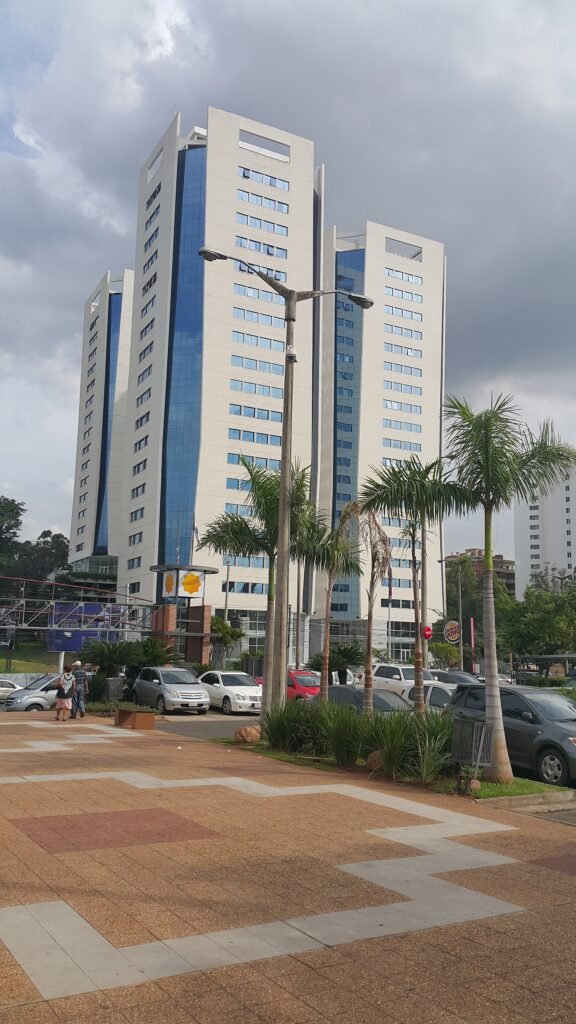
Remote employees: obtain a real agreement
If you work for an employer abroad, ask whether working from Paraguay is authorised and on what terms. An informal manager’s approval may not address payroll, insurance, data handling or the employer’s legal responsibilities. Get the arrangement reviewed by the people responsible for those areas before booking a permanent move.
Clarify working hours, location restrictions, equipment support and what happens if the company later requires office attendance. Consider time-zone differences throughout the year in the countries where colleagues live. A schedule that works today may shift when another country changes its clocks.
Check how company systems behave from the intended location. Some organisations restrict access by country or require particular security arrangements. Test video calls, file transfers and authentication methods during an exploratory stay. Do not wait until the first full working day after moving to discover that an essential service is unavailable.
Freelancers and independent professionals
For independent work, establish contracts, invoicing and payment channels that match the activity. Explain to your accountant where the work is performed and who the customers are. Keep records of invoices, fees, refunds and currency conversions. The net amount arriving in an account may differ from the amount invoiced because of payment-provider charges.
Build a reserve for late payment and client concentration. If one customer provides most of your income, losing that customer can affect both your lifestyle and any documentation based on financial activity. A lower monthly budget helps, but it is not a substitute for a resilient business.
Price your services with taxes, accounting, software, insurance, holidays and equipment replacement in mind. Comparing your hourly fee only with local living costs can lead to underpricing. Your clients buy the value of the work, while your own business needs enough margin to remain dependable.
A home office that supports actual work
Test the workspace at the busiest time of day. Check whether the room becomes hot, whether street noise affects calls and whether other household activities interrupt concentration. A good camera background is useful, but comfortable seating, lighting and reliable connectivity are more important over a full week.
Use a backup plan with independent failure points where possible. A second internet connection is less useful if both depend on the same unavailable power supply. A charged laptop and mobile connection may keep essential work going during a short interruption. Identify a nearby alternative workspace before you need one urgently.
When considering coworking, visit during normal working hours. Ask about call booths, meeting rooms, guest access, printing, opening times and any extra charges. A lively social environment can be pleasant but may not suit confidential or concentration-heavy work. Choose according to the tasks you perform.
Looking for a local job
Investigate the employment market for your actual profession before arrival. Language, local qualifications, professional recognition and existing networks may affect opportunities. A foreign degree or previous salary does not guarantee an equivalent local position. Speak to employers and recruiters about realistic requirements rather than relying on broad statements about economic growth.
Compare total compensation, contract terms, working hours, leave and social-insurance arrangements. Ask what is registered formally and how payslips are issued. If the work is presented as independent contracting but operates like employment, obtain advice on the correct arrangement rather than accepting the label without question.
Keep enough funds to search without pressure. Being forced to accept the first offer can undermine the reason you moved. If local employment is essential to the plan, securing a suitable position first may be more sensible than arriving with only an optimistic estimate of living costs.
Starting a business
Begin with customers and operations. Who will buy, how will they pay, what service or product will you deliver and what licences are needed? A company registration is a legal structure, not evidence of demand. Test the commercial assumptions before committing to premises, staff or inventory.
Map the institutions involved with a local professional: company formation, tax registration, invoicing, employment, municipal permissions and any sector-specific authorisation. A food business, import operation and consultancy do not share the same compliance checklist. Avoid using a generic business package as though it covered every activity.
Budget for slow initial revenue and the cost of doing things properly. Include accounting, legal work, deposits, equipment, insurance and working capital. If you hire staff, understand the applicable employment rules and contributions through the relevant authorities, including MTESS and IPS. Low headline taxes do not eliminate ordinary business responsibilities.
Keep business and residence routes distinct
Opening a business does not automatically place you in an investor residence category. Special routes have their own criteria and evidence. Similarly, obtaining residence does not mean every commercial activity is authorised without further steps. Plan the immigration and business projects together, while keeping their requirements separate.
For the current distinction between the ordinary change of residence category and special investor routes, consult our permanent-residency guide. Verify the official programme conditions before spending money in reliance on eligibility.
Banking, payments and international transfers
A dependable payment setup is one of the most valuable things to establish early. It should let you pay rent and daily expenses, receive income and handle an unexpected bill without relying on a single card. Build it in stages and test each channel with an appropriate small transaction before depending on it for the whole household.
What a bank may need to understand
Prepare identification, residence information, address evidence and documents explaining your income and source of funds. The exact requirements depend on the institution, product and customer profile. A cédula can be important, but it should not be presented as a guarantee of unrestricted account access.
The BCP’s basic savings-account framework is intended to facilitate access to financial services. A simplified product may still have operational conditions and limits. Ask the bank how those apply to your planned incoming transfers, balances and payments, and whether a different product is needed.
Bring a clear explanation of what you do. An employment contract, invoices, pension statement or company documents can help establish the economic activity behind the account. Keep names consistent across records. If an institution requests additional evidence, ask precisely what is required and submit an organised response.
Large transfers and source-of-funds documentation
Discuss a significant transfer with the receiving bank before sending it, particularly if it relates to property, investment or accumulated savings. Ask which supporting documents it expects and whether any intermediary-bank information is needed. A transfer arriving before the file is understood can take longer to resolve than one prepared in advance.
Keep the chain of evidence. For savings, retain statements showing accumulation. After a sale, keep the sale agreement and receipt. For business income, preserve contracts and invoices. Do not split transfers to avoid checks; provide an accurate explanation of the transaction and follow the institution’s process.
Exchange rates and fees
Compare the amount that will actually arrive, not just a provider’s advertised fee. A favourable-looking fee can be offset by the exchange rate. Also consider intermediary charges, receiving-bank charges and the time funds remain unavailable. Ask whether a quoted amount is guaranteed and for how long.
Use a consistent method when comparing providers. Record the same sending amount, currency, destination and time. This avoids comparing a live offer with yesterday’s indicative rate. For recurring income, small differences can accumulate over a year, but reliability and clear support may be worth paying for.
Cards, cash and everyday transactions
Keep more than one payment option and confirm that your foreign bank knows your current residence and contact details. Test card acceptance and withdrawal limits rather than assuming a familiar product works identically abroad. Watch for dynamic currency conversion: understand which currency you are choosing and compare the terms offered by your card issuer.
Carry practical amounts of cash rather than the whole month’s budget. Keep receipts where they matter for accounting, warranties or deposits. If a merchant’s payment process seems unusual, pause and confirm the amount before approving it. Simple attention prevents many avoidable errors.
Secure access and account recovery
Before changing your phone number, update bank and payment-service authentication. Keep recovery methods current and understand whether a service requires access to your original SIM. A lost phone is much more disruptive when it is the only route to every account.
Use individual credentials, strong authentication and secure document storage. Do not hand over banking access simply because someone is helping with residence or accounting. A professional can explain what information is required without needing unrestricted control of your finances.
Getting around: walking, buses, taxis and driving
Transport is one of the main links between your housing choice and your cost of living. A lower rent may require more paid journeys. A central apartment may reduce travel but still leave you dependent on a car for some activities. Test the routes you will use repeatedly rather than making the decision from a map.

Can you live without a car?
Some households can organise life around walking and booked rides, especially when work is at home and essential services are nearby. Others need a car because of school, a workplace, family responsibilities or a home outside a convenient service area. Neither approach should be chosen without pricing the actual routine.
For a car-free plan, list every recurring journey and estimate its frequency. Include grocery trips, medical appointments, social evenings and visits outside your neighbourhood. Test pickup availability at the relevant hours. A ride that is easy to obtain in the afternoon may be less convenient after an event or during heavy rain.
Inspect walking routes in person. Pavement quality, road crossings, shade and drainage affect whether a short distance is comfortable. If you use a wheelchair, stroller or mobility aid, assess the entire route. A building with an accessible lobby is not enough if the surrounding pavement prevents independent movement.
Public transport
Ask for current route and payment information for the journeys you intend to make. Services and arrangements can change, and advice from another neighbourhood may not apply to yours. Try the trip with extra time before relying on it for work or school.
Keep valuables secure and allow for delays. A transport option should be judged by reliability, comfort and total journey time as well as price. If a low-cost route requires several connections and disrupts paid work, the cheapest fare may not produce the lowest overall cost.
Buying or renting a vehicle
For a rental, check insurance, excess, mileage, fuel policy, permitted drivers and cross-border restrictions. Photograph the vehicle at collection and return, and obtain written confirmation of existing damage. Clarify what assistance is available after a breakdown and how a replacement is arranged.
For a purchase, obtain an independent mechanical inspection and verify ownership and documentation through the appropriate professionals. Budget for registration, insurance, maintenance, tyres, parking and depreciation. A vehicle’s purchase price is only the first part of its cost.
Ask which parts are available locally and how long repairs typically take for the model you are considering. An unusual imported vehicle may be attractive but inconvenient when a specific component fails. A dependable, serviceable vehicle can be a better fit than one selected primarily for appearance.
Driving documents and road conditions
Confirm the driving-licence requirements for your nationality and residence status with the relevant authority. Visitor arrangements should not be assumed to remain valid indefinitely after relocation. Ask about local licence procedures, insurance recognition and documents to carry.
Plan intercity travel with daylight, weather and road condition in mind. During heavy rain, allow more time and avoid entering flooded sections whose depth you cannot judge. Check current local information for roadworks or disruptions. A familiar-looking route can change substantially after a storm.
Regional and international travel
Compare flight options for the destinations you expect to visit often. Include baggage, connections, airport transfers and the cost of missing a day of work. A relocation budget that excludes regular trips to family abroad can underestimate annual spending considerably.
For travel across land borders, check immigration, customs and vehicle requirements for every country involved. A Paraguayan residence document does not automatically replace your passport or settle entry conditions elsewhere. Children, pets and rented vehicles can each require additional preparation.

Language, food, friendships and the rhythm of everyday life
The administrative side of relocation may be urgent, but the social side determines whether Paraguay begins to feel like home. Language, repeated contact and ordinary habits matter. A country becomes familiar through the places you return to and the people who gradually know your name.
Spanish makes daily life easier
Even if you work in English or another language, Spanish is useful for housing, appointments, repairs, shopping and administration. Start learning before arrival and focus first on the tasks you will actually face. Understanding numbers, dates, addresses and common document terms can reduce mistakes immediately.
Build a practical vocabulary notebook. Useful words include alquiler for rent, expensas for building charges, factura for invoice, turno for appointment, vencimiento for expiry or due date and copia autenticada for a certified copy. Ask people to write important details down when you are unsure, especially amounts and dates.
Language learning works better when it extends beyond formal lessons. Return to the same shops, practise short conversations and listen carefully to how people phrase requests. Avoid pretending to understand a contractual or medical explanation. Asking for clarification is more efficient than correcting a misunderstanding later.
Guaraní and local identity
Guaraní is an important part of Paraguay’s cultural and linguistic identity. You will encounter it in names, expressions, conversation and public life, sometimes alongside Spanish. Learning a few expressions can be a respectful starting point, but treat the language as a living part of people’s identity rather than a novelty for visitors.
People differ in the languages they use and the situations in which they use them. Follow the preferences of the person you are speaking with. Curiosity and patience are more useful than assumptions about what every Paraguayan should speak.
Tereré and the pleasure of slowing down together
Tereré is more than a cold drink made with yerba mate. Its preparation and sharing are part of social life. UNESCO inscribed the associated practices and knowledge in 2020, recognising their cultural significance and transmission between generations.
If someone invites you to share, let them explain the routine rather than trying to perform expertise. You can also ask politely about alternatives if you prefer not to share a drinking vessel. Cultural participation should be comfortable and respectful. Traditional use of herbs should not be interpreted as medical advice or as a substitute for prescribed treatment.

Food and shopping habits
Exploring food is one of the easiest ways to become familiar with a place. Try local dishes, ask what ingredients are used and learn where you enjoy shopping. A combination of supermarkets, neighbourhood stores and suitable markets may work better than relying on one source for everything.
If you have allergies or dietary restrictions, learn how to explain them clearly in Spanish and verify ingredients directly. A dish name does not guarantee a standard recipe in every kitchen. For important restrictions, avoid relying on a rough translation or an assumption based on appearance.
Cooking at home helps you understand prices and availability. Start with a few reliable meals rather than trying to reproduce every product from your previous country. Keep the imported items that matter most to you, but let the local selection shape some of your routine. This is both practical and a way to enjoy the place rather than only compare it with somewhere else.
Making friends beyond relocation groups
International communities can help with the first questions, but a satisfying life usually grows beyond discussions of paperwork and taxes. Join activities that you would enjoy even if you were not new: sport, language classes, volunteering, music, professional groups or cultural events.
Choose recurring activities. Meeting the same people every week creates more opportunity for friendship than attending isolated events. Be willing to initiate plans, accept that schedules may not align immediately and give relationships time. Social confidence often develops alongside language confidence.
Keep online groups in perspective. They can provide leads, but experiences may be outdated, highly individual or influenced by someone selling a service. Verify important information with the institution responsible. Use community discussion to discover questions you should ask, not as the final authority on every answer.
Culture and weekends
Asunción’s historic buildings, museums and public spaces offer a starting point for understanding the city beyond its business districts. The Cabildo, the cathedral, the Panteón Nacional de los Héroes and the area around the Palacio de López can be part of an exploratory itinerary, subject to current access and opening arrangements.
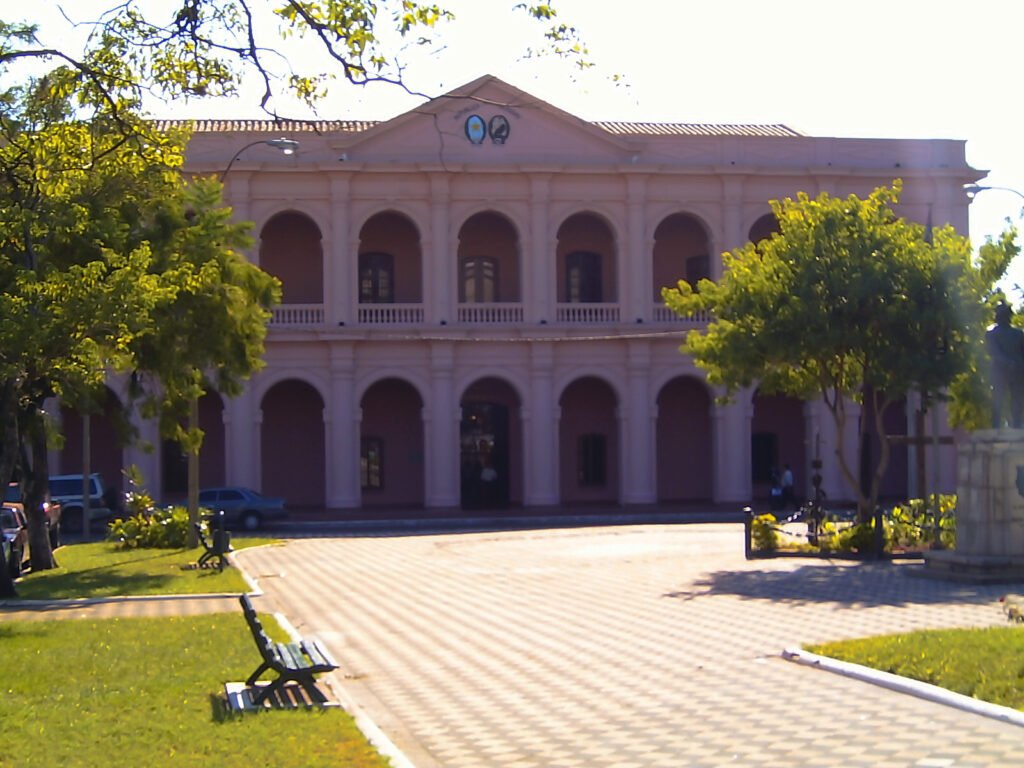
For trips further afield, use SENATUR’s tourist-information network and local authorities to confirm practical details. A destination may require a vehicle, a guide, a reservation or extra planning after rain. Match the outing to the abilities and interests of everyone travelling.

Make room for ordinary leisure as well as major excursions. A favourite café, an evening walk, a regular meal with friends or a sports session can contribute more to wellbeing than a busy sightseeing calendar. You are building a sustainable routine, not trying to complete a list of attractions as quickly as possible.
Respect and everyday expectations
Approach differences with curiosity before judgement. Ask how a process normally works and explain your own needs clearly. Being patient does not mean accepting an unclear price or an unfulfilled agreement. It means separating a genuine problem from a situation that simply operates differently from what you expected.
Pay people fairly, respect privacy and ask before photographing individuals or private spaces. Avoid treating a lower-cost destination as a place where other people’s time has little value. The quality of your relationships will often reflect the consideration you bring to them.
Residency and documents: connect the steps without confusing them
Preparing documents before departure can save time, but ordering everything without checking the applicable route can waste money. Start with nationality, family circumstances and the residence category you intend to use. The general temporary-residence procedure and other routes are not interchangeable.
The Migraciones page for Temporary Residency under Law 6984/2022 describes a status of up to two years, with the possibility of extension for an equal period. It also sets out the general documentary requirements and additional provisions for minors. Use the current official list as the controlling checklist and our illustrated guide as a practical explanation.
Before leaving your current country
Check passport validity, entry conditions and the certificates you will need. Foreign civil-status and criminal-record documents may require apostilles or legalisation and accepted translations. The relevant criminal-record country can depend on your residence history rather than nationality alone. Confirm that point before ordering a document that may not fit the requirement.
Make a document table with the issuing authority, issue date, validity, authentication requirements and number of copies. Keep originals and digital copies organised, but do not assume a scan substitutes for an original where an authority requires one. Check names, dates and spellings across records before travelling.
After arrival
Keep evidence of lawful entry and complete the local requirements applicable to your route. Submit the residence application through the prescribed process, retain receipts and monitor requests for additional information. A filing receipt and a final approval are different stages, so plan subsequent tasks according to the document actually issued.
The cédula application is handled separately through the National Police’s identification department. Tax registration and the tax-residency certificate involve the tax administration. Banks apply their own account-opening checks. Organise the sequence carefully, but do not promise yourself that every stage will occur immediately after the previous one.
Keep a renewal and compliance calendar
Record the validity of the passport, residence card, cédula, insurance and any permits relevant to your activities. Add filing deadlines and planned travel. Set reminders early enough to obtain documents that must come from abroad. A calendar is especially useful for a family whose documents do not all expire together.
If you use a representative, retain your own copies and understand what is being submitted. Ask for updates tied to evidence: filed, under review, additional document requested, approved or ready for collection. These are more useful than a general statement that everything is progressing.
Naturalisation is a separate legal process and should not be described as an automatic consequence of holding residence for a certain period. If citizenship becomes part of your long-term plan, obtain advice on the actual applicable requirements and evidence. Do not make a short-term relocation decision based on a guaranteed passport promise.
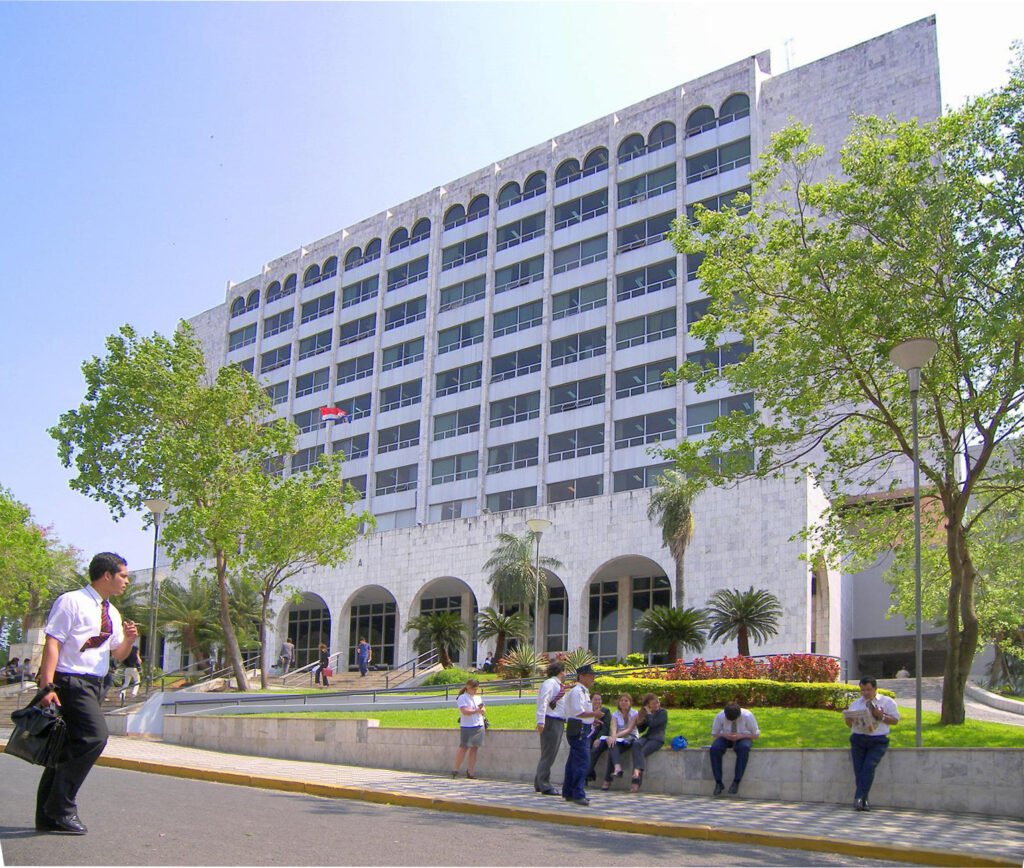
Moving with pets and personal belongings
Pets need their own preparation schedule. Coordinate the rules of the country of departure, any transit country, the airline and Paraguay. These requirements can interact: a document suitable for entry may still not satisfy an airline’s carriage conditions, and a transit route may introduce additional steps.
SENACSA’s current pet-travel page explains the entry process for domestic dogs and cats and the presentation of an international veterinary certificate, CVI, for documentary and health checks. It references MERCOSUR Resolution 20/2024 and distinguishes up to five companion animals from larger commercial consignments. Confirm the current checklist for your actual journey before booking.
Discuss the animal’s suitability for travel with a veterinarian, and plan the carrier, route, temperature restrictions and arrival transport. Reserve accommodation that accepts the animal in writing. Ask about building rules and any size or number limits before signing a lease.
For household belongings, obtain a detailed moving quotation and clarify customs documentation, insurance, delivery access and storage charges. The cheapest shipping quote may exclude costs at destination. Make an inventory with photographs and serial numbers for valuable equipment. Keep essential work tools and documents accessible rather than placing them in a shipment that may arrive later than you do.
Compare replacement with shipping. Large furniture may not fit the eventual home, and appliances may have electrical or servicing considerations. A staged move can reduce both expense and uncertainty: bring what you need to function, then decide what else is worth moving once the long-term address is settled.
Your first 90 days in Paraguay
The first three months are a practical testing period. The objective is not to complete every possible project immediately. It is to establish a workable routine, advance the required documents and replace assumptions with evidence. Keep major commitments proportionate to what you have learned.
Before arrival: prepare the foundations
Confirm the lawful entry route, organise essential documents, arrange initial accommodation and make sure income and payment access will continue. Obtain healthcare and insurance information suited to your circumstances. If moving with children, establish a realistic school plan before selecting a long-term home.
Create one secure folder for administrative records and one practical arrival sheet with the address, transport arrangements and useful contacts. Give a trusted person access to essential emergency information where appropriate. Keep enough flexibility in the travel schedule for a delay without putting employment or school attendance at immediate risk.
Days 1–7: make everyday life function
Settle into the initial accommodation, test internet and payment methods, learn the immediate area and identify groceries, a pharmacy and a suitable healthcare provider. Check the transport route you will use for appointments. Avoid scheduling every day so tightly that a single delay disrupts the whole week.
Begin recording actual expenses and separating setup costs from normal spending. Check that your phone, bank authentication and work tools operate as expected. If something essential fails, address it before adding optional tasks. A reliable base makes every administrative step easier.
Days 8–30: inspect and compare
Visit housing options in more than one area, test commutes and obtain written quotations. Progress the residence-related tasks applicable to your situation. Meet the accountant with your income inventory rather than a vague description of “online work.”
Build a small network of dependable contacts: building management, a translator where needed, a healthcare provider and appropriate professional advisers. Begin a recurring social or language activity. A move can become administratively productive but socially empty if every available hour is spent on documents.
Days 31–60: establish the longer-term routine
Once the evidence supports it, finalise a suitable lease and organise utilities and internet. Document the handover carefully. Continue banking and identification steps according to the status of your applications, and keep a record of what remains pending.
Review the household budget after a full month of ordinary living. Discuss what is working for each family member. If a neighbourhood or commute is clearly unsuitable, address it while the move is still flexible rather than assuming everyone will eventually adapt to a preventable problem.
Days 61–90: review the decision with real information
Compare the life you expected with the life you are experiencing. Look at spending, work quality, health access, friendships and administrative progress. Identify which difficulties are temporary learning costs and which are structural problems requiring a different arrangement.
Update the next six months of the plan. Decide whether to remain in the same area, change housing, expand local activities or postpone a property purchase. A thoughtful adjustment is a sign that the trial period worked. You do not need to defend an early assumption when better information becomes available.
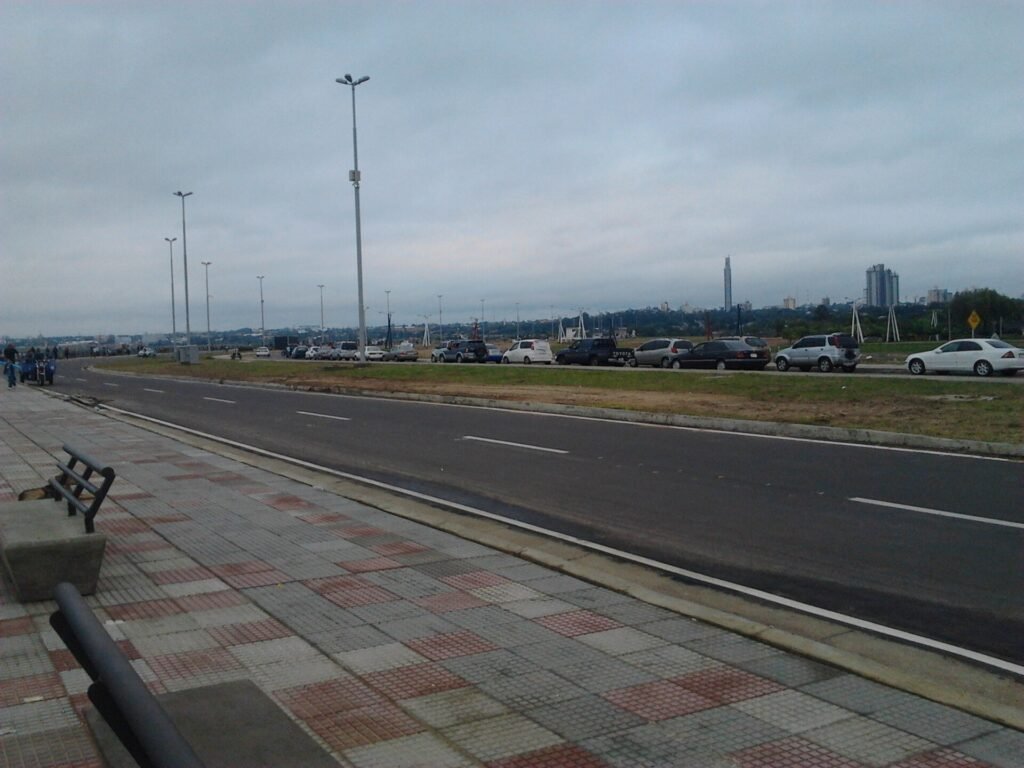
A relocation dashboard that stays simple
| Area | Evidence of progress | Next decision |
|---|---|---|
| Home | Actual bills, completed inspections and a workable commute. | Keep the current arrangement or compare alternatives. |
| Documents | Receipts, official requests, approvals and expiry dates. | Complete the next required step, not an assumed one. |
| Money | Income received, functioning payment methods and a reconciled budget. | Adjust reserves or recurring spending. |
| Health | Confirmed coverage and identified providers. | Resolve gaps before they become urgent. |
| Family and community | School fit, regular activities and reliable contacts. | Make time for the needs still receiving too little attention. |
Frequently asked questions about living in Paraguay
Is Paraguay a good place to live?
It can be a good fit when your income, housing, healthcare and social expectations match the place you choose. Evaluate a real routine during an extended stay: work, cook, shop, commute and meet people. A positive holiday experience is useful, but it is not enough on its own to establish that the country suits your long-term needs.
How much money do I need each month?
Build the answer from your household rather than using a national headline. The illustrative budgets in this guide range from ₲6.8 million for a single adult with a simple routine to ₲17.55 million for a family before school fees. These are planning examples with exclusions, not minimum requirements or market averages. Replace them with current quotations and add taxes, flights and one-off costs.
Can I live comfortably on a small foreign income?
Possibly, but the result depends on housing, health, family size and what “comfortably” means to you. A modest income has less room for currency changes or emergencies. Test the budget with actual rent and insurance quotations, and retain a reserve. Do not rely on figures that omit healthcare, transport or the cost of returning to your previous country.
Is Asunción the best place to start?
It is a practical place to investigate services and complete many initial tasks, especially if you need access to advisers, schools and medical providers. It is not automatically the best long-term location. Compare it with places that fit your preferences, such as Encarnación or towns around Lake Ypacaraí, and include the cost of any recurring journeys back to the capital.
Do I need to speak Spanish?
You can obtain assistance for many early tasks, but Spanish makes independent daily life much easier. It helps with housing, repairs, appointments, shopping and friendships. Learn practical vocabulary before arriving and continue with regular lessons and conversation. For important medical, legal or contractual matters, use competent assistance when your language level is not sufficient.
Does a foreign bank account make my income tax free?
No. The receiving account does not determine the tax source of an activity by itself. Work carried out while living in Paraguay can require Paraguayan tax analysis even when the customer and payment account are abroad. Have each income stream classified under the applicable rules and coordinate that review with your obligations in other countries.
Does Paraguayan residence end Tax Residency elsewhere?
Not automatically. Other countries may examine your home, family, work, economic interests or other legal connections. The relevant rules differ by jurisdiction and circumstances. Prepare a factual relocation timeline and obtain advice on departure filings and continuing obligations. A residence card, RUC and tax-residency certificate each have their own purpose.
Should I buy property as soon as I arrive?
Renting first often provides valuable information about neighbourhoods, buildings and your own preferences. If you later buy, use independent legal and technical checks, investigate the full cost and avoid relying on projected rent as a guarantee. The best property decision may become clearer after several months of ordinary life.
Can a temporary resident open a bank account?
Account availability depends on the bank, product, documents and customer assessment. Ask the institution directly about the account you need and your current immigration and identity documents. Prepare evidence of income and source of funds. Do not treat another person’s successful application as a guarantee that the same product or limits will be available to you.
Can I work online from Paraguay?
A workable plan combines the appropriate immigration position, employer or client agreement, tax treatment and reliable connectivity. Test your actual applications and payment channels before making the move permanent. If you are employed, obtain explicit approval from the employer’s responsible teams. If independent, establish invoicing and recordkeeping that match the activity.
Is private healthcare affordable?
Affordability depends on age, health history, coverage and the treatment required. Obtain individual quotations and check exclusions, limits and payment procedures. An inexpensive consultation does not establish the cost of a serious medical event. Identify appropriate providers and maintain accessible funds for expenses that may require immediate payment.
Is Paraguay suitable for families?
It can be, provided the school, home, healthcare and transport plan fit the family. Investigate school places and the full annual cost early. Include children’s language, learning and social needs in the decision. A larger house or lower rent is not enough if the school journey or curriculum creates a persistent difficulty.
Can I get by without a car?
Some people can, particularly when they work from home and live near essential services. Others need a vehicle because of schools, work or location. Test the complete weekly routine using the transport you intend to rely on, including evenings and bad weather. Compare the total cost and inconvenience with owning or renting a vehicle.
What should I do if the first neighbourhood does not suit me?
Use the information you have gathered to identify the specific problem: commute, noise, isolation, cooling, access or cost. Then compare alternatives that solve that problem. This is one reason to preserve flexibility in your initial accommodation. Changing an early choice can be a sensible adjustment rather than a failure of the relocation.
How long should an exploratory stay last?
Long enough to experience working days, weekends and the ordinary tasks relevant to your household. There is no universal duration that guarantees a sound decision. A short trip can identify promising areas, while a longer stay gives better evidence about spending and routine. If possible, return in a different season before making a major irreversible commitment.
What is the most common planning mistake?
Allowing one attractive feature to stand in for the whole decision. That feature may be tax, low rent, a photograph of a modern apartment or a positive story from another resident. A strong plan connects all the essentials: lawful status, sustainable income, suitable housing, healthcare, family needs and a social life you can maintain.
Make the move around a life you have tested
Paraguay is best approached with curiosity, preparation and enough flexibility to learn. Visit the places you might actually live, request real quotations and spend time doing ordinary things. Notice where your day feels easier, where it becomes harder and which changes would solve the difficulties.
Keep the administrative pathway organised, but give equal attention to comfort, health and relationships. A successful move is not measured only by obtaining a card or reducing a tax line. It is reflected in a home that works, a budget you can sustain, reliable access to services and a routine you want to continue.
Use this guide as a planning framework, then replace its examples with your own evidence. That process will tell you much more than a promise that Paraguay is perfect for everyone. It will help you decide whether it is right for you, and how to make the transition well.

Photography and research notes
This guide uses 18 real photographs of Paraguayan places and cultural subjects, with photographer and licence credits below each image. The tereré illustration was photographed outside Paraguay, as its caption specifies. Images are resized for display and may predate the research date; they do not establish the current availability of a property or service.
Official legal, tax, health and administrative sources are linked beside the relevant statements. Commercial listings and provider offers are dated examples rather than endorsements or guaranteed availability. The monthly budgets are original planning scenarios, with assumptions and exclusions explained in the cost-of-living section.